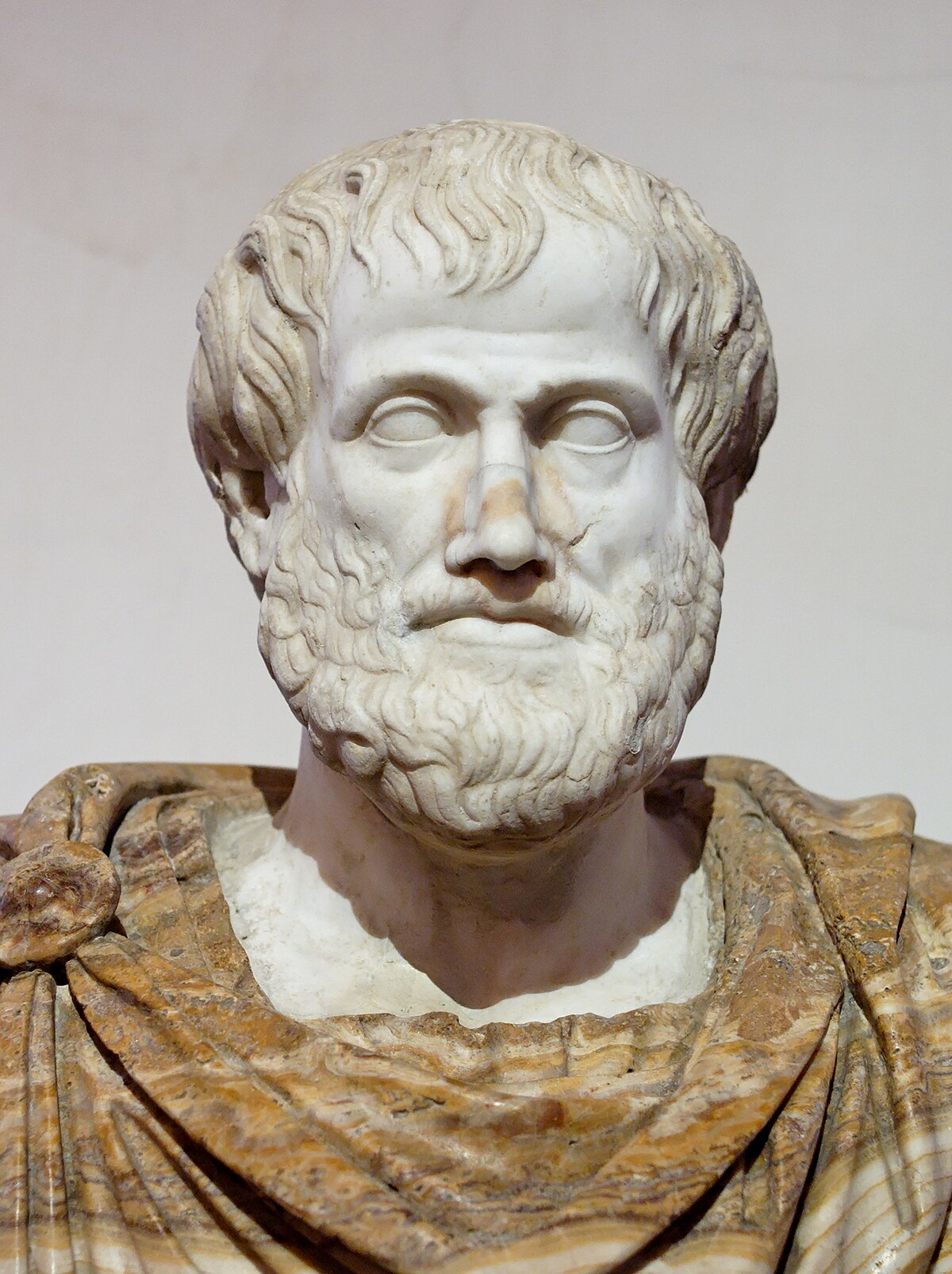
In this essay I am going to expose the Literary period that follows the Middle Ages in Great Britain, which is The English Renaissance. In fact, we are about to be witnesses of remarkable changes in Europe and England as well. Consequently, this is what literary criticism calls the Elizabethan period. Before we start exposing the events of this era in the English country, It is extremely necessary to mention some facts and remarkable persons. The Italian Renaissance movement, which took place between the XIV and XVI centuries meant a regression to the Roman and Ancient Greek classic concepts in many different aspects and ambits, such as art, architecture, literature, etc. Moreover, features such as balance or perfection were very latent in art as well. The Humanism concept (Erasmus of Rotterdam) became very important and Italian writers such as Petrarch, Bocaccio or Dante influenced the literature of many European countries. The medieval Theocentrism was substituted by Anthropocentrism, where the human being was central in the planet. Humanism also meant a revolution against the church and Catholicism, who had ruled over Europe during the Middle Ages, becoming a very corrupted entity.
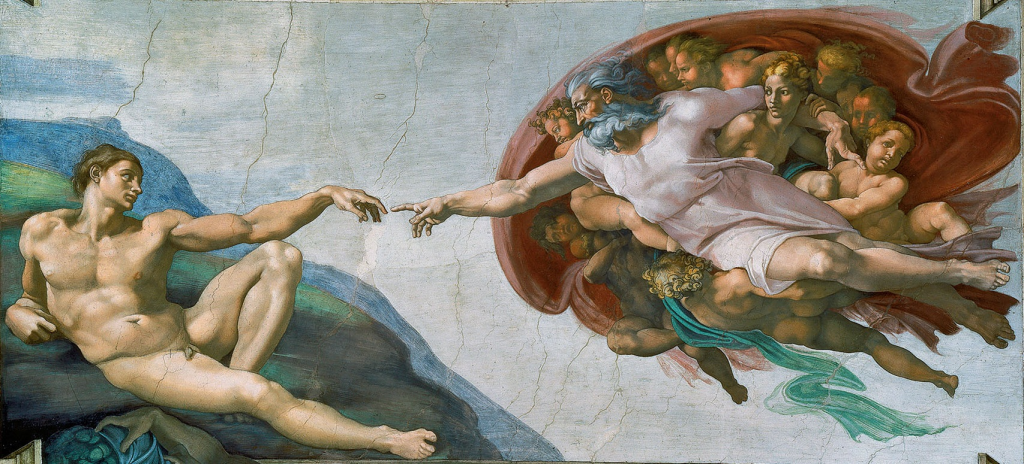
Renaissance meant changing the Theocentrism concept of the era, where God was central, into Anthropocentrism, where the human being was central.
England had suffered the economic consequences of the War of Roses, which resulted in the establishment of the Tudor dynasty. The reign of the first Tudor king, Henry VII, centralised the power and authority on the monarch. However, this period of time also represented a great danger to the ones who were close to the court, due to conspiracies and rivalry for power. The city of London experienced a really important growth, becoming bigger and bigger. In fact, several technological upgrades like the art of printing was crucial for the development of silent reading as we know it nowadays. As I have exposed above, Renaissance reached and influenced England as well. It was during Henry VIII reign that it was fully developed. In fact, a very important moment of this period was the development of the book Utopia, written by Thomas More (who had a very close friendship with Erasmus of Rotterdam). This book was written in Latin, in a period where this language as well as Ancient Greek were studied as a result of the emergence of Humanism. Two more important features are the adaptation of Ancient Greek philosophical theories (Plato, Aristotle, etc) under the moral vision of Christianity, and Nicolaus Copernicus Heliocentric theory. However, the Catholic church began to have problem with splinter groups who pertained to the institution, concretely, the Lollards. They thought Cristianity needed a reform, but they were silenced. Nevertheless, some years later the German Martin Luther denounced the Pope and his servants, accusing them of corruption. In fact, for Luther salvation was to be found in scriptures and its practice. Moreover, another important leaders like Ulrich Zwingli or John Calvin supported this ideas.

Henry VIII.
The recent King Henry VIII was married with Catherine of Aragon, but She did not give him any male heir. The king tried to achieve the approvance of the pope to annul their marriage, however, he did not obtain it. Henry VIII declared his marriage null and Anne Boleyn was crowned queen. Moreover, he declared himself “Head of the church of England”. Some important intellectuals in the church of England such as Thomas More and John Fisher refused to accept the king’s demand, and they were sentenced to death. During Henry VIII’s reign the catalytic properties and wealth were confiscated and its followers burned at the stake. When the king passed his son Edward reigned next, but he died soon after. Henry’s daughter Mary (Catherine’s offspring) was a fervent catholic and condemned the Protestant Church and its followers. When She died her younger sister Elizabeth I became queen, restoring the Anglican Church.
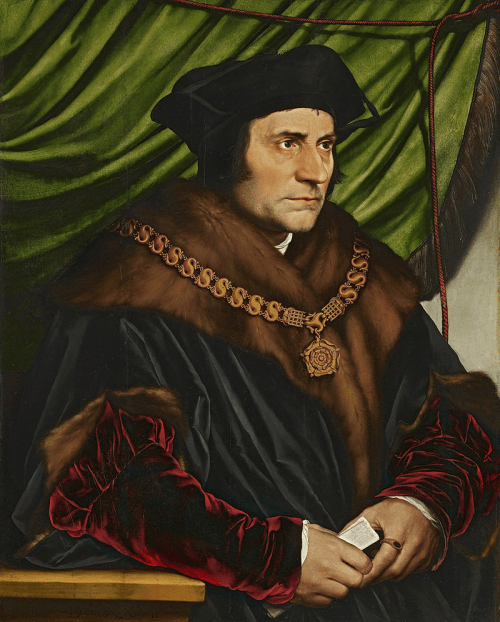
Thomas More.
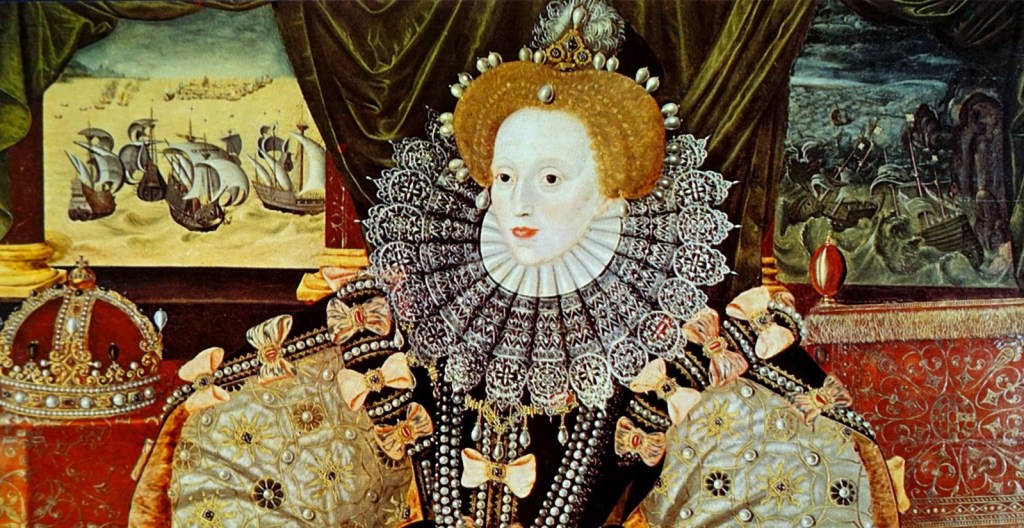
Elizabeth’s reign was marked by fears of conspiracy, rebellion and assassination. In fact, these intensified after the invasion of Netherlands by the Spanish Army of Phillip II, who fought against the protestant brach. Moreover, the pope Gregory XIII declared that her assassination would not constitute a mortal sin. In 1588 Philippe II of Spain sent the Invincible Spanish Armada to conquer England, with the support and approval of the Pope. However, they were “defeated” by the weather during the assault. When Elizabeth passed James I replaced her.
During this period poetry and theater were vastly developed. As a matter of fact, The English Renaissance takes place in the XV, XVI and the beginning of the XVII Century, where other countries where experiencing the Baroque Era in arts as well. Consequently, poets like John Milton, John Donne, Mary Wroth, Sir Thomas Wyatt or Henry Howard represented this movement in England, where this period was really prolific in literature. In theatre we should take into account two very remarkable figures: Christopher Marlowe and William Shakespeare. However, another playwrights like Edmund Spenser, Thomas Kid or Ben Johnson were really important as well. This is considered the golden era of british literature, especially because the prolific number of writters and the quality of the works.
 Jorge Rodríguez Monzón.
Deja un comentario